
float annealed glass
Precision in Measurement: Understanding High-Performance Parallel Rulers In industrial design, engineering, and manufacturing, the demand for exact measurements and consistent parallelism is paramount. Precision tools are not just accessories; they are foundational to quality assurance and operational efficiency. Among these, parallel rulers for sale represent a critical component, offering unparalleled accuracy in drafting, inspection, and layout tasks. This comprehensive guide delves into the intricacies of these essential instruments, addressing their technical specifications, application versatility, and the crucial factors B2B decision-makers consider. Our focus extends to the materials, manufacturing precision, and the significant advantages that modern parallel rulers bring to diverse industrial sectors. We aim to equip professionals with the knowledge needed to make informed procurement decisions, ensuring their operations benefit from the highest standards of measurement accuracy and tool longevity. Industry Trends in Precision Measurement Tools The global market for precision measurement tools is experiencing robust growth, driven by increasing automation, stringent quality control standards, and the proliferation of advanced manufacturing techniques. A key trend is the shift towards materials offering superior durability and stability, such as high-grade aluminum rulers , which provide an optimal balance of lightweight design and structural rigidity. The demand for digital integration in measurement instruments, though less direct for traditional parallel ruler devices, influences the ecosystem by pushing for higher base accuracy in manual tools that complement digital systems. Furthermore, there is an escalating need for tools that perform reliably in harsh industrial environments, requiring enhanced corrosion resistance and thermal stability. Manufacturers are responding by employing advanced surface treatments and selecting alloys engineered for specific operational challenges. The emphasis is on tools that maintain their calibration and precision over extended service lives, reducing replacement costs and downtime. This ensures that the long-term parallel ruler price provides exceptional value, factoring in durability and sustained accuracy. Manufacturing Process of Precision Parallel Rulers The production of high-quality parallel rulers involves a meticulously controlled process designed to achieve superior linearity, flatness, and dimensional stability. This multi-stage process ensures that the final product meets the rigorous demands of industrial applications. 1. Material Selection and Preparation The foundation of a durable and precise parallel ruler lies in its material. High-strength aluminum alloys, such as 6061-T6 or 7075-T6, are frequently chosen for their excellent strength-to-weight ratio, corrosion resistance, and machinability. These alloys undergo initial inspection for material integrity, including spectroscopic analysis to verify elemental composition and ultrasonic testing for internal flaws. 2. Precision Machining Extrusion or Forging: Depending on the design and intended application, the aluminum stock is either extruded to create a near-net shape profile or forged for enhanced grain structure and mechanical properties. This initial forming process is crucial for minimizing internal stresses. CNC Machining: The core of precision manufacturing involves multi-axis Computer Numerical Control (CNC) machining. State-of-the-art CNC mills and grinders are employed to achieve micron-level tolerances for flatness, straightness, and edge parallelism. This process meticulously shapes the ruler's body and engraving areas. Fine Grinding and Lapping: For critical surfaces, post-CNC operations include fine grinding and lapping. These abrasive processes remove minimal material to achieve superior surface finish and ensure exceptional flatness, essential for accurate parallel ruler use . 3. Surface Treatment and Finishing Anodizing: Aluminum rulers often undergo anodizing, an electrochemical passivation process that converts the metal surface into a durable, corrosion-resistant anodic oxide finish. This layer provides excellent wear resistance, enhancing the ruler's service life and maintaining its aesthetic. Different anodizing types (e.g., Type II for clear or colored finishes, Type III for hard-coat) are selected based on required hardness and protection. Engraving: Markings (scales, logos) are typically applied via laser engraving or photochemical etching, ensuring high contrast, durability, and resistance to wear or chemical exposure. 4. Assembly and Calibration Components such as rollers, tensioning wires, and ergonomic handles are precisely assembled. Each parallel ruler then undergoes rigorous calibration in an ISO 17025 certified laboratory. Testing standards include ISO 9001 for quality management and ANSI B89.1.9 for dimensional measurement instruments, ensuring traceability and accuracy. Optical comparators and coordinate measuring machines (CMMs) are used to verify parallelism, straightness, and scale accuracy. Technical Specifications and Performance Parameters The performance of a parallel ruler is defined by a set of critical technical specifications. Understanding these parameters is essential for selecting the right tool for precise industrial tasks. Our parallel rulers are engineered to exceed industry benchmarks, offering reliability and precision that directly impact project success. Key Product Specifications Parameter Value / Range Description Material 6061-T6 Anodized Aluminum High-strength alloy with excellent corrosion resistance and lightweight properties. Length Options 600mm, 900mm, 1200mm, 1500mm Standard lengths available; custom sizes on request. Parallelism Tolerance ±0.05 mm over 1000 mm Ensures exceptional accuracy for parallel line drawing and measurement. Straightness Tolerance ±0.02 mm over 1000 mm Guarantees a true straight edge for precise layout and cutting. Scale Engraving Laser-etched, dual metric/imperial Permanent, high-contrast markings for long-term readability. Operating Temperature -10°C to +60°C Suitable for a wide range of industrial environments. Roller Mechanism Precision-engineered, low-friction POM (Delrin) or stainless steel bearings Ensures smooth, consistent movement without deviation. Service Life 10+ years under typical industrial use Designed for longevity and consistent performance, minimizing replacement cycles. Technical Advantages and Performance Benefits Our commitment to engineering excellence translates into significant operational advantages for our clients. The design and construction of our parallel rulers focus on delivering unparalleled precision, durability, and ergonomic efficiency. Unmatched Precision: Achieved through stringent manufacturing tolerances and advanced calibration, our rulers ensure that parallel lines are drawn with absolute fidelity, critical for complex schematics and precise layouts. This reduces errors and rework, ultimately leading to significant cost savings. Superior Corrosion Resistance: The anodized aluminum construction provides excellent protection against environmental degradation, chemicals, and everyday wear. This makes them ideal for use in demanding industrial settings, extending the tool's lifespan far beyond that of standard untreated alternatives. Enhanced Durability: Robust construction, coupled with high-grade materials, ensures resistance to physical impact and deformation. This resilience maintains the tool's accuracy over years of intensive use, a crucial factor in the overall parallel ruler price justification. Ergonomic Design: Lightweight yet sturdy, our parallel rulers are designed for comfortable and fatigue-free operation. The smooth-gliding roller mechanism requires minimal effort, improving user experience and productivity in long drafting sessions. Energy Efficiency (Indirect): By ensuring precise measurements from the outset, our tools contribute to a reduction in material waste and re-machining, indirectly supporting energy-saving initiatives within manufacturing processes. This contributes to sustainable operational practices. Application Scenarios Across Target Industries The versatility and precision of our parallel rulers make them indispensable across a spectrum of demanding industries. From foundational design to critical inspection, their utility ensures accurate execution of complex tasks. Petrochemical Industry: Essential for drafting pipeline layouts, designing facility schematics, and verifying component placement where precision directly impacts safety and operational integrity. The corrosion resistance of our aluminum rulers is particularly valued in corrosive atmospheres. Metallurgy and Heavy Engineering: Used in the precise layout of metal sheets for cutting, marking complex patterns on large workpieces, and verifying alignments during assembly of heavy machinery components. Water Supply & Drainage Systems: Critical for designing infrastructure blueprints, mapping pipe networks, and ensuring accurate gradient calculations for efficient fluid dynamics. Shipbuilding and Marine Engineering: Indispensable for naval architects and shipbuilders in drawing hull lines, deck plans, and intricate engineering schematics where exactitude is crucial for structural stability and hydrodynamics. Aerospace and Automotive Design: While often complemented by CAD, physical layout and verification using precision parallel rulers remain vital for initial concept drafting, prototyping, and quality checks on large-scale components and assembly jigs. General Manufacturing and Fabrication: For any application requiring straight, parallel lines or precise linear measurements on large surfaces, such as cutting guides, template creation, and quality inspection. Vendor Comparison: Why Choose Our Parallel Rulers When investing in precision tools like parallel rulers, discerning buyers assess not just the product but also the vendor's reliability, support, and commitment to quality. While several manufacturers offer parallel rulers for sale , our dedication to superior engineering and customer satisfaction sets us apart. Comparative Advantages Feature Our Parallel Rulers Typical Market Alternatives Material Grade Aerospace-grade 6061-T6 Aluminum Standard 6063 Aluminum or lower-grade plastics Precision Tolerance ±0.05 mm parallelism over 1000mm ±0.15 mm or greater parallelism Surface Treatment Type II Hard Anodizing for superior scratch/corrosion resistance Standard anodizing or painted finish, prone to wear Roller Mechanism Precision-machined stainless steel or POM bearings for ultra-smooth glide Basic plastic rollers, prone to sticking or uneven movement Scale Durability Laser-etched markings, highly resistant to abrasion and chemicals Printed or silk-screened scales that fade with use Certifications ISO 9001, ANSI B89.1.9 compliant, traceable calibration Limited or no specific precision certifications Our company has over two decades of experience in manufacturing precision industrial tools. We hold ISO 9001:2015 certification for our quality management systems and consistently adhere to international measurement standards. We are proud to be trusted partners for major players in the petrochemical and heavy machinery sectors, a testament to our unwavering commitment to quality and reliability. Customized Solutions for Unique Requirements Recognizing that standard products may not always fit the precise requirements of highly specialized industrial applications, we offer comprehensive customization services for our parallel rulers for sale . Our engineering team collaborates closely with clients to design and manufacture bespoke solutions that meet unique dimensional, material, and functional specifications. Tailored Lengths and Widths: Production of rulers in non-standard dimensions to accommodate specific drafting tables or large-format layout needs. Specialized Materials: For extreme environments, options include marine-grade aluminum, stainless steel, or even composite materials for applications requiring non-magnetic properties or enhanced thermal stability. Custom Engravings and Scales: Integration of specific company logos, unique measurement units, or specialized grids/markings for industry-specific tasks. Ergonomic Modifications: Design adjustments for handles, roller systems, or additional features to optimize comfort and efficiency for specific user groups or repetitive tasks. Our custom solutions undergo the same rigorous manufacturing and testing protocols as our standard products, ensuring that bespoke tools deliver the same high level of precision and reliability. This adaptability provides a significant advantage for clients with niche requirements, guaranteeing a perfect fit for their operational needs without compromising on quality or performance. Application Case Studies & Customer Experience Case Study 1: Large-Scale Pipeline Layout for a National Energy Project Client: A leading EPC contractor in the energy sector. Challenge: The client required highly accurate, large-format parallel rulers (1.5 meters in length) for drafting intricate pipeline routes and facility layouts across vast geographical areas. Standard rulers failed to maintain consistent parallelism over such distances, leading to potential deviations during construction planning. Solution: We provided custom-fabricated 1500mm aluminum rulers with enhanced rigidity and a precision-engineered roller system. These rulers featured a parallelism tolerance of ±0.06mm over their entire length, significantly outperforming competitors. Outcome: The client reported a 15% reduction in drafting review cycles and a notable decrease in layout errors, directly impacting project timelines and cost efficiency. The engineers praised the rulers' smooth operation and consistent accuracy. "The custom parallel rulers were a game-changer for our large-scale projects. The precision and durability are unmatched," noted the Lead Drafting Engineer. Case Study 2: Precision Manufacturing of Automotive Components Client: An automotive tooling and jig manufacturer. Challenge: Accurate marking and alignment were critical for the fabrication of complex automotive body panel jigs. Existing rulers were prone to wear and scale degradation, leading to measurement inaccuracies over time, affecting tool life and precision. Solution: We supplied a series of our standard-length parallel rulers, highlighting their hard-anodized surface finish and laser-etched scales. The superior durability was a key selling point, addressing the client's concern about tool longevity in a high-usage environment. Outcome: The client experienced a significant increase in the operational lifespan of their rulers, reducing replacement costs by 20% annually. The maintained clarity of the laser-etched scales ensured consistent accuracy for their precise manufacturing processes. "These rulers withstand heavy daily use without losing their markings. It's a testament to their build quality," commented the Production Manager. Frequently Asked Questions (FAQ) Q: What is the primary difference between an aluminum ruler and a standard plastic one? A: Aluminum rulers, particularly those made from high-grade alloys and anodized, offer superior durability, dimensional stability, and resistance to corrosion and wear compared to plastic rulers. They maintain accuracy over a longer service life and are less susceptible to warping or bending. Q: How do you ensure the parallelism of your rulers? A: We employ multi-axis CNC machining, followed by precision grinding and lapping processes, to achieve micron-level flatness and straightness. Each ruler then undergoes rigorous calibration using optical comparators and CMMs in an ISO 17025 certified laboratory to verify parallelism against national and international standards like ANSI B89.1.9. Q: Can these rulers be used in harsh industrial environments? A: Yes, our parallel rulers are constructed from anodized aluminum, providing excellent resistance to corrosion, chemicals, and abrasion. They are designed for reliable performance in petrochemical, metallurgical, and other demanding industrial settings, ensuring consistent parallel ruler use . Q: What is the typical lead time for custom orders of parallel rulers for sale ? A: Lead times for custom orders vary based on complexity and quantity. Generally, after design approval, production and delivery can range from 4-8 weeks. We provide a detailed project timeline and regular updates throughout the process. Lead Time, Warranty, and After-Sales Support Our commitment to client satisfaction extends beyond the sale. We ensure transparent processes for order fulfillment, comprehensive warranty coverage, and robust after-sales support. Lead Time: For standard orders of parallel rulers, typical lead time is 2-3 weeks from order confirmation to shipment, depending on stock availability and order volume. Expedited shipping options are available upon request. Warranty: All our parallel rulers come with a 2-year limited warranty covering manufacturing defects and material failures under normal operating conditions. This warranty underscores our confidence in the quality and durability of our products. Customer Support: Our dedicated technical support team is available to assist with product inquiries, application guidance, and troubleshooting. We offer responsive assistance via phone, email, and a client portal to ensure seamless integration and optimal performance of our tools. Calibration Services: We also provide periodic re-calibration services to ensure your parallel rulers maintain their certified accuracy throughout their operational life, aligning with industry best practices for precision equipment. Conclusion The choice of a parallel ruler is a critical decision for any B2B operation where precision drafting, layout, or inspection is fundamental. Our range of parallel rulers for sale , built from high-grade anodized aluminum and manufactured to exacting standards, offers the reliability, accuracy, and longevity demanded by modern industrial applications. By focusing on superior materials, meticulous manufacturing processes, and comprehensive customer support, we provide tools that not only meet but exceed performance expectations, ensuring optimal operational efficiency and reduced long-term costs. Partner with us to elevate your precision measurement capabilities. References ISO 9001:2015 Quality management systems — Requirements. International Organization for Standardization. ANSI B89.1.9: Precision Measuring Instruments — Vernier, Dial, and Digital Calipers. American Society of Mechanical Engineers. ASM Handbook, Volume 2: Properties and Selection: Nonferrous Alloys and Special-Purpose Materials. ASM International. NIST Special Publication 811: Guide for the Use of the International System of Units (SI). National Institute of Standards and Technology.
about
float annealed glass
Understanding Standard Dial Bore Gauges A Comprehensive Overview In the realm of precision engineering and manufacturing, the importance of accurate measurements cannot be overstated. Among the array of measuring tools available, the Standard Dial Bore Gauge stands out as a vital instrument for assessing the internal diameters of cylindrical parts. This article delves into the intricacies of dial bore gauges, their construction, operating principles, applications, and the advantages they offer in quality control. What is a Dial Bore Gauge? A dial bore gauge is a specialized measuring device designed to assess the internal dimensions of holes and cylindrical bores. It consists of a dial indicator mounted on a frame that holds a set of contacts or probes. These probes expand to fit the internal diameter being measured, while the dial display provides a direct reading of any variations in that diameter. Construction and Features A typical dial bore gauge is composed of several key components 1. Frame This sturdy part holds the dial indicator and supports the measuring probes. It is designed to be lightweight yet robust enough to endure frequent use in various environments. 2. Dial Indicator At the heart of the gauge, the dial indicator translates the linear motion of the probes into a readable measurement. Most models feature a dial face that displays measurements in both metric and imperial units. 3. Measuring Probes The probes, usually made of hardened steel, are designed to make contact with the internal surface of the bore. The adjustable nature of these probes allows them to accommodate different diameters. 4. Adjustable Mechanism Many dial bore gauges have an adjustable mechanism to allow users to set the gauge to specific depths or diameters for more precise measurements. Operating Principles To use a dial bore gauge, the operator first selects the appropriate probes and adjusts them to fit the bore being measured. After inserting the gauge into the hole, the operator slowly rotates or slides it within the bore. The probes will contact the internal surface, and any deviation from the nominal diameter will be reflected on the dial indicator. This process enables the operator to detect any discrepancies in diameter, roundness, or alignment, which are crucial for ensuring the part meets specified tolerances. Applications standard dial bore gauge Dial bore gauges are widely used across various industries, including automotive, aerospace, and manufacturing. They are particularly beneficial for - Quality Control Ensuring that produced parts meet strict dimensional tolerances is essential in manufacturing . Dial bore gauges provide quick and reliable measurements that help maintain quality standards. - Machine Setup During the setup of machines and tooling, understanding the precise dimensions of the components is critical. Dial bore gauges enable machinists to verify that parts will fit together correctly. - Maintenance and Repair In the service and maintenance of machinery, measuring internal diameters helps identify wear and tear, ensuring components can be replaced or repaired effectively. Advantages of Dial Bore Gauges The dial bore gauge offers multiple advantages that make it a preferred choice for measurement - Ease of Use With its straightforward design, operators can obtain accurate readings quickly, reducing the time spent on measurements. - High Precision Dial bore gauges are capable of measuring small variations in diameter, making them ideal for high-precision applications. - Durability Constructed from robust materials, these gauges are built to withstand the rigors of industrial environments. - Versatility They can measure a wide range of bore sizes, making them useful for many applications across different sectors. Conclusion The Standard Dial Bore Gauge serves as an indispensable tool in the world of precision measurement. Its unique design and functionality make it essential for quality control, machine setup, and maintenance tasks. By providing accurate assessments of internal dimensions, dial bore gauges ensure that products meet the necessary specifications, ultimately contributing to the efficiency and reliability of manufacturing processes. As technology continues to evolve, the dial bore gauge remains a timeless instrument for precision engineering, highlighting the importance of accuracy in today's industrial landscape.
-

High quality industrial productsagement

High quality industrial products
View Details -

Meet the diverse needs of customers

Meet the diverse needs of customers
View Details -

Strict quality control

Strict quality control
View Details -

Top raw materials

Top raw materials
View Details -

Trusted supplier

Trusted supplier
View Details
Our application
news and information

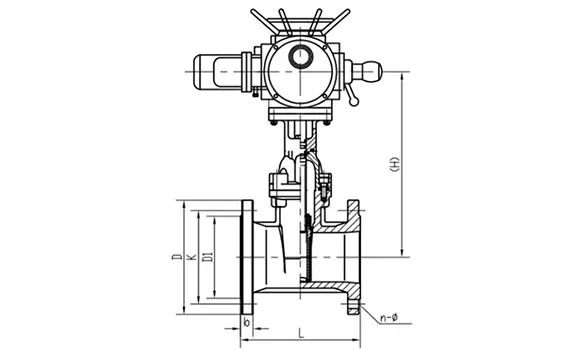
Válvula de retención 8an y su importancia en sistemas hidráulicos.
8an check valve .
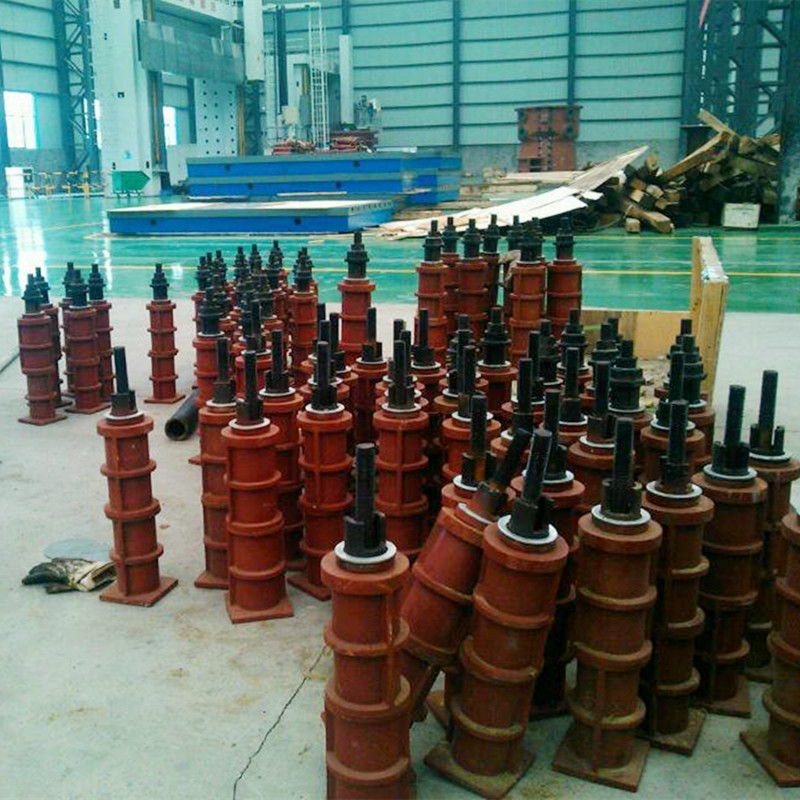
Versatile 4x8 Welding Table for Precision Fabrication and Project Efficiency
The Versatility of a 4x8 Welding Table When it comes to metalworking and fabrication, having the rig
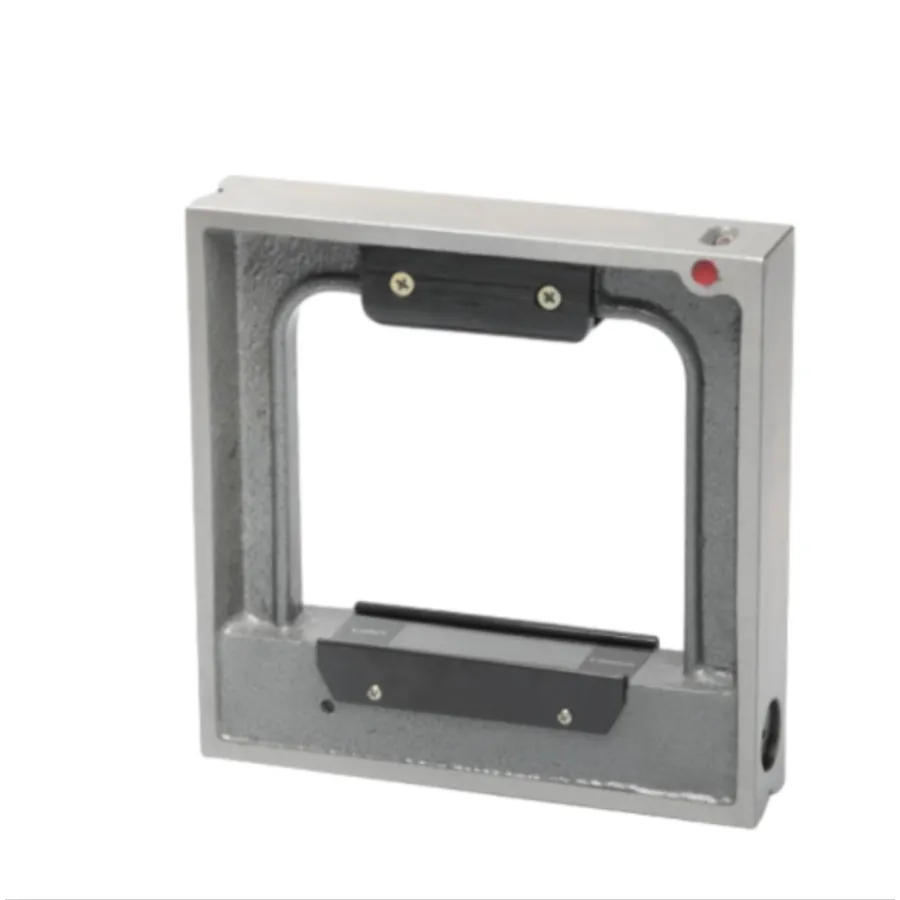
Venta horizontal
Título La Venta de Niveles Una Oportunidad Única En el mundo actual, donde la competencia es feroz y
 English